
Why Teeth Change Color, and Which Stains Whitening Can't Fix
If your teeth have darkened, the useful first question is why. This article covers the reasons teeth change color and the limits of whitening. Which whitening treatments exist, and how they compare, is a separate question — see teeth whitening options.
Why teeth change color
There are several causes. Food and drink are among them: coffee, tea and red wine are some major staining culprits. Tobacco is another. Age plays a part as well — the outer enamel layer gets thinner with brushing, and more of the yellowish dentin shows through (American Dental Association (MouthHealthy)).
Discoloration can also be sorted by where it starts. Extrinsic discoloration affects the outer surface of the teeth and is often caused by food and drink stains. Intrinsic discoloration starts inside the tooth, and its causes include dental trauma and some medications (Cleveland Clinic).
Whitening may not correct every kind of discoloration
Does whitening work on all teeth? No: whiteners may not correct all types of discoloration, which is why it is important to talk to your dentist before deciding to whiten your teeth. Yellow teeth will probably bleach well, brown teeth may not respond as well, and teeth with gray tones may not bleach at all (American Dental Association (MouthHealthy)).
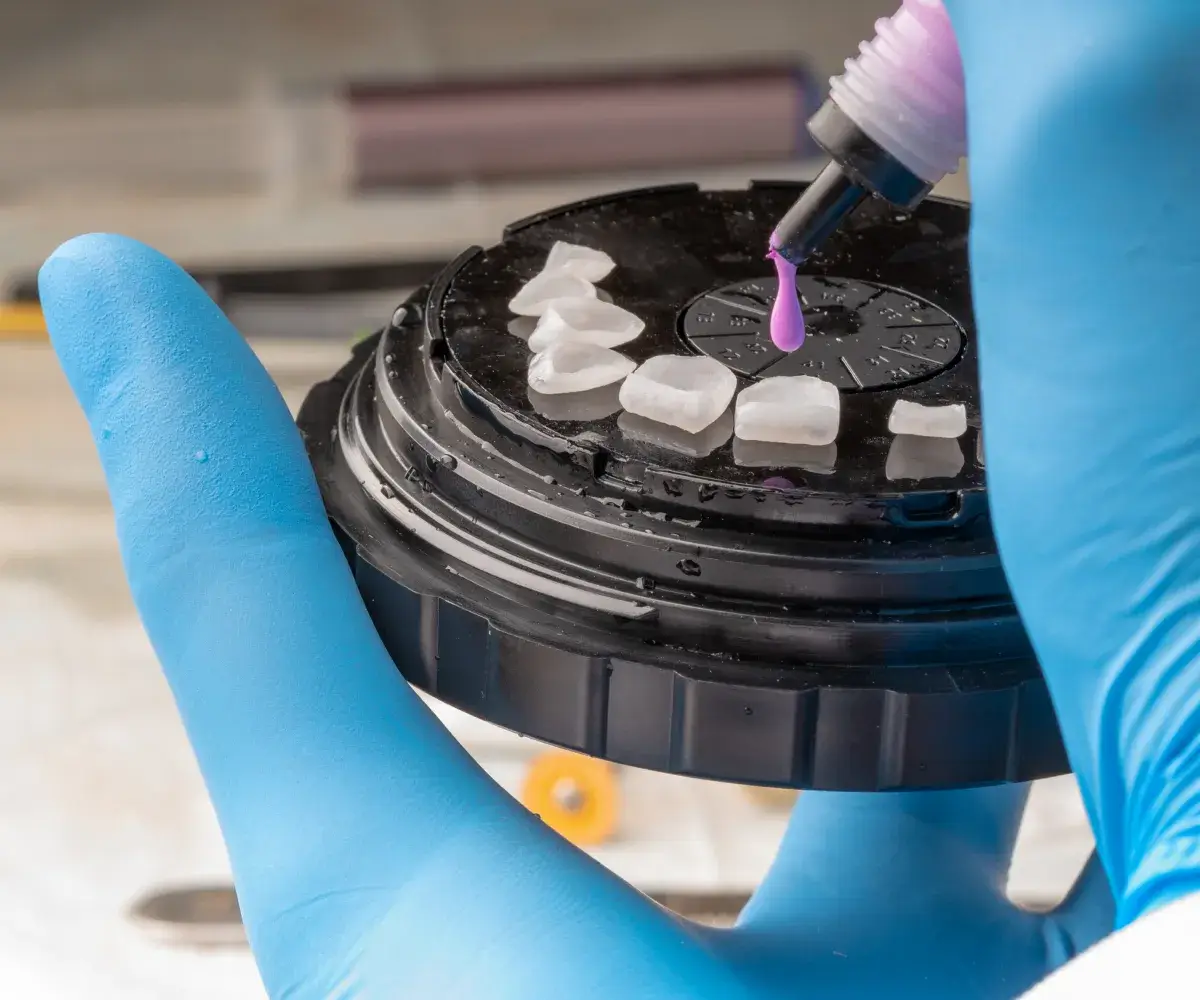
Existing dental work is its own case. Whitening will not work on caps, veneers, crowns or fillings (American Dental Association (MouthHealthy)). If the tooth you are unhappy with has already been restored, that is a different conversation; a companion article covers whitening, bonding or veneers.
Why it's worth talking to a dentist first
The practical case is simple. For starters, a dentist can help you determine why your teeth look discolored. That is important because bleaching products work best on teeth that have yellowed with age or through staining by food or drinks. But brown or gray discoloration could signal problems that a bleaching kit won't fix. Tackling concerns like gum disease or cavities before starting a bleaching treatment is also important (Cleveland Clinic).
Next step
Our office is at 147 Main St, 2nd Floor, Lodi, NJ 07644, and Dr. Steven Liao is our dentist. Our teeth whitening page is also on this site, and our first-visit page is where to start if you want to book a first visit.
Sources
- American Dental Association (MouthHealthy). "Teeth Whitening." https://www.mouthhealthy.org/all-topics-a-z/teeth-whitening
- Cleveland Clinic. "Tooth Discoloration." Updated 2025-07-03. https://my.clevelandclinic.org/health/symptoms/10958-tooth-discoloration
- Cleveland Clinic. "Are Teeth Whiteners Safe and Worth Trying?" https://health.clevelandclinic.org/is-teeth-whitening-safe